

Mouthguard FAQ: Do You Really Need One and Which Type Is Right for You?
Published March 26, 2026 9:00 amMouthguards don’t usually get much attention—until something happens. A chipped tooth during a game. Jaw soreness that doesn’t go away. Waking up with a headache and not quite knowing why.
At that point, the question shifts from “Do I need one?” to “What kind should I be using?”
If you’ve been looking into options, this mouthguard FAQ covers the most common questions we hear at Altitude Family Dental in Gypsum, CO, whether it’s for sports, teeth grinding, or protecting your smile long-term.
Mouthguard FAQ: What Does a Mouthguard Actually Do?
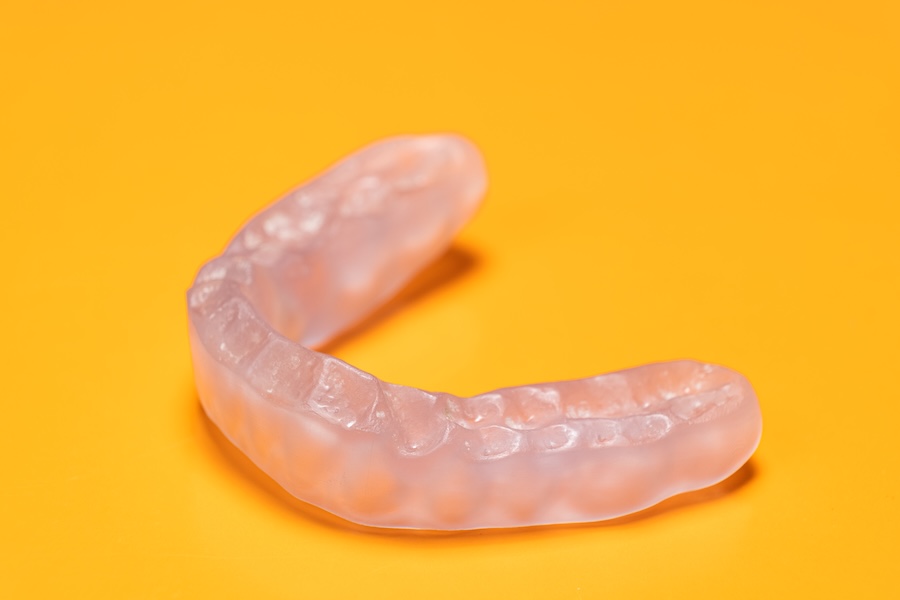
A mouthguard acts as a protective barrier for your teeth and jaw. Depending on the type, it can either absorb impact (for sports) or reduce pressure from grinding and clenching (for sleep).
While the purpose varies, the goal is the same—prevent damage before it starts. That might mean avoiding a chipped tooth during a game or reducing wear that happens gradually over time.
Many patients first learn about mouthguards during a routine dental exam and cleaning, especially if we notice early signs of grinding or ask about sports activities.
What’s the Difference Between a Nightguard and an Athletic Mouthguard?
These two types of mouthguards are designed for very different situations.
- Nightguards are worn while you sleep and help protect against teeth grinding (bruxism) and clenching
- Athletic mouthguards are worn during sports and protect against impact to the teeth, lips, and jaw
They’re also made a bit differently. Nightguards are usually slimmer and shaped to fit closely, since they need to be comfortable enough to wear overnight. Athletic mouthguards are thicker and softer, built to absorb contact and help protect against dental emergencies.
Using the right type matters. A sports mouthguard isn’t made to handle the pressure from grinding, and a nightguard won’t offer the kind of protection needed during sports.
If you’re unsure which one fits your needs, this is something we can go over during a preventive care visit or consultation.
Do I Really Need a Nightguard for Grinding?
Not everyone who grinds their teeth needs a nightguard right away, but it’s worth paying attention to the signs.
Common indicators include:
- Waking up with jaw soreness or tightness
- Frequent headaches, especially in the morning
- Tooth sensitivity without an obvious cause
- Teeth that appear worn, flattened, or slightly chipped
Grinding often happens during sleep, so many patients don’t realize it’s happening until symptoms show up or it’s spotted during an exam.
A custom nightguard helps reduce pressure on your teeth and jaw, which can prevent further wear and make mornings more comfortable.
Are Store-Bought Mouthguards Good Enough?
Store-bought mouthguards can work as a short-term solution, but they tend to be bulkier and less precise in fit.
Custom mouthguards are made specifically for your teeth, which allows them to sit more securely and feel more comfortable. That fit also makes them more effective, especially for long-term use.
For patients who plan to use a nightguard regularly—or who play sports consistently—a custom option is usually the better investment over time.
How Long Do Mouthguards Last?
The lifespan of a mouthguard depends on how it’s used.
Nightguards for grinding typically last anywhere from one to several years, depending on how much pressure they absorb. Patients who grind heavily may need to replace them more often. But honestly, it’s better to be wearing through a replaceable nightguard than damaging your teeth.
Athletic mouthguards can wear down over time as well, especially with frequent use during sports seasons.
Regular visits help us check for signs of wear and make sure your mouthguard is still doing its job effectively.
How Do I Take Care of My Mouthguard?
Keeping your mouthguard clean and in good condition is straightforward, but it does make a difference in how long it lasts.
A few simple habits help:
- Rinse it after each use
- Clean it gently with a toothbrush and mild soap
- Store it in a ventilated case
- Avoid exposing it to heat, which can warp the material
We can also check your mouthguard during routine visits to make sure it still fits properly and hasn’t developed any issues.
Can a Mouthguard Help With Jaw Pain or TMJ?
In many cases, yes—especially when the discomfort is related to grinding or clenching.
A nightguard can help reduce strain on the jaw muscles and joints by creating a cushion between the teeth. Over time, this can ease tension and help prevent further irritation.
If jaw pain is something you’ve been dealing with, it’s often discussed alongside TMJ treatment options, since the two are closely connected.
When Should I Consider Getting a Mouthguard?
It’s usually a good idea to consider a mouthguard if:
- You play contact or high-impact sports
- You’ve been told you grind or clench your teeth
- You’re noticing signs of wear or sensitivity
- You’ve had dental work you want to protect
In many cases, it starts with a simple conversation during a visit. From there, we can decide whether a custom mouthguard makes sense based on what we’re seeing.
Mouthguard FAQ in Gypsum, CO at Altitude Family Dental
At Altitude Family Dental in Gypsum, CO, Dr. Joshua Rudin and Dr. Greg Adair help patients find practical ways to protect their teeth—whether that’s through custom nightguards for grinding or athletic mouthguards for sports.
If you’ve been noticing jaw discomfort, signs of grinding, or just want to protect your smile during activity, you can call the office or schedule a visit to talk through your options and get fitted for the right type of mouthguard.
Categorised in: Custom Mouthguards, Custom Nightguards